

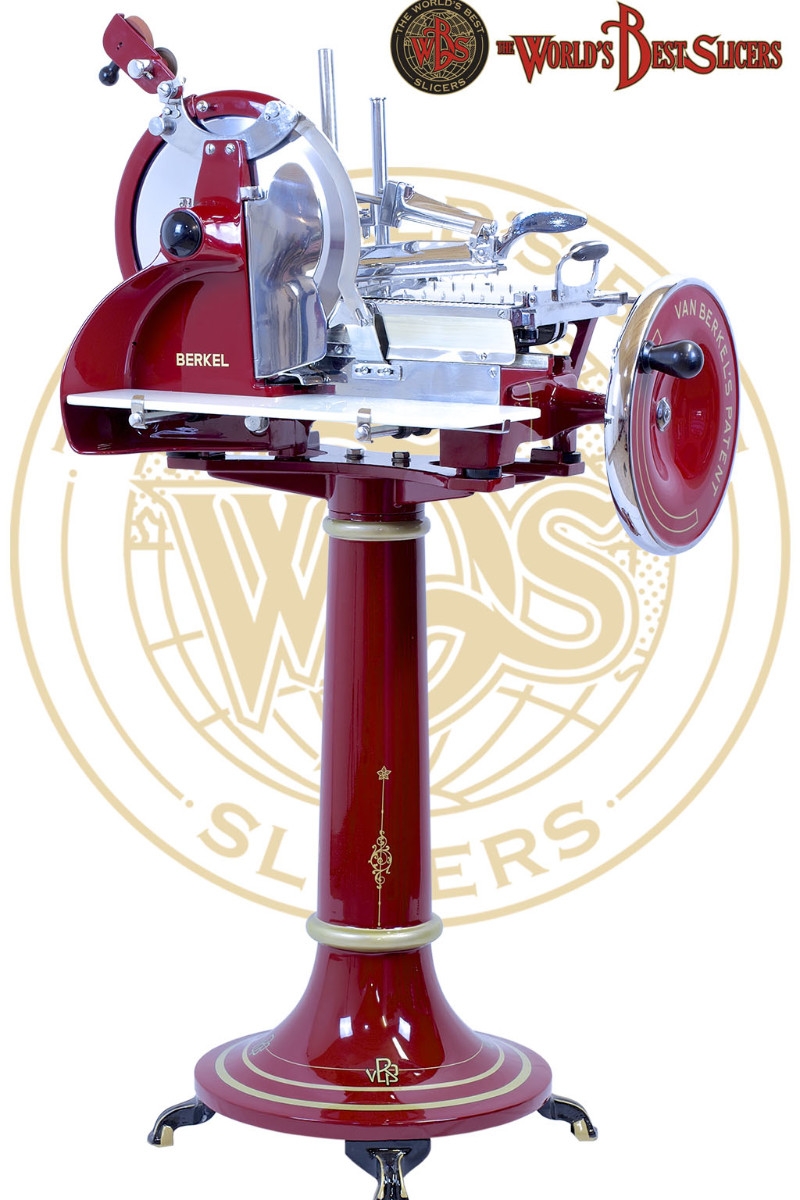
Berkel Europe Model NL
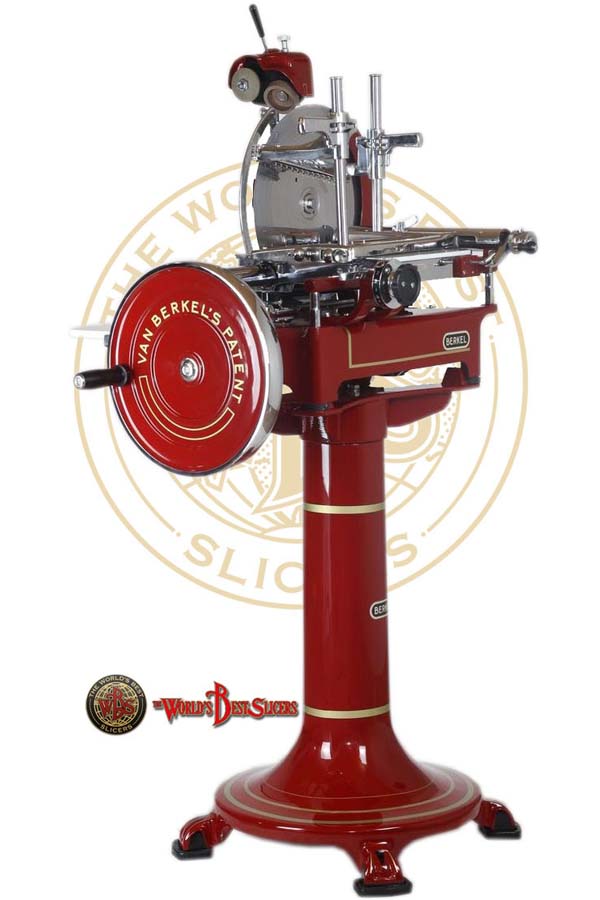
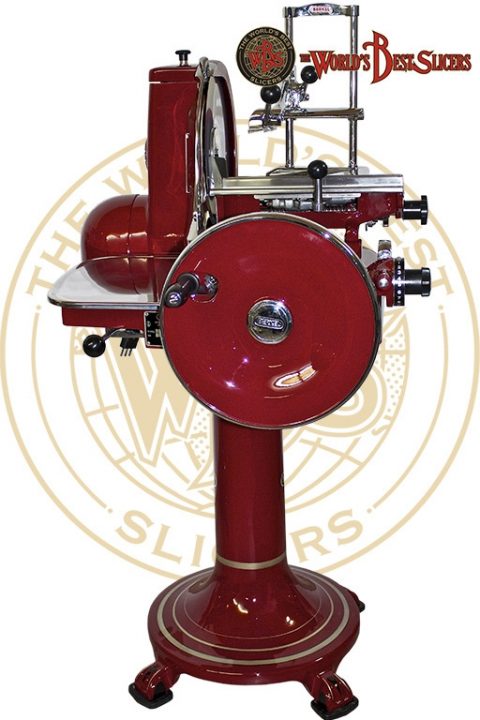
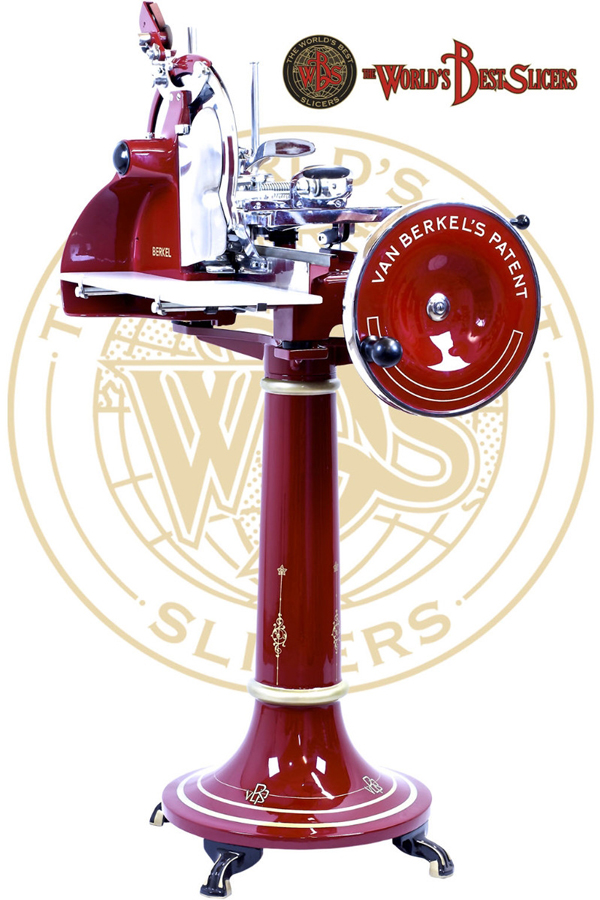
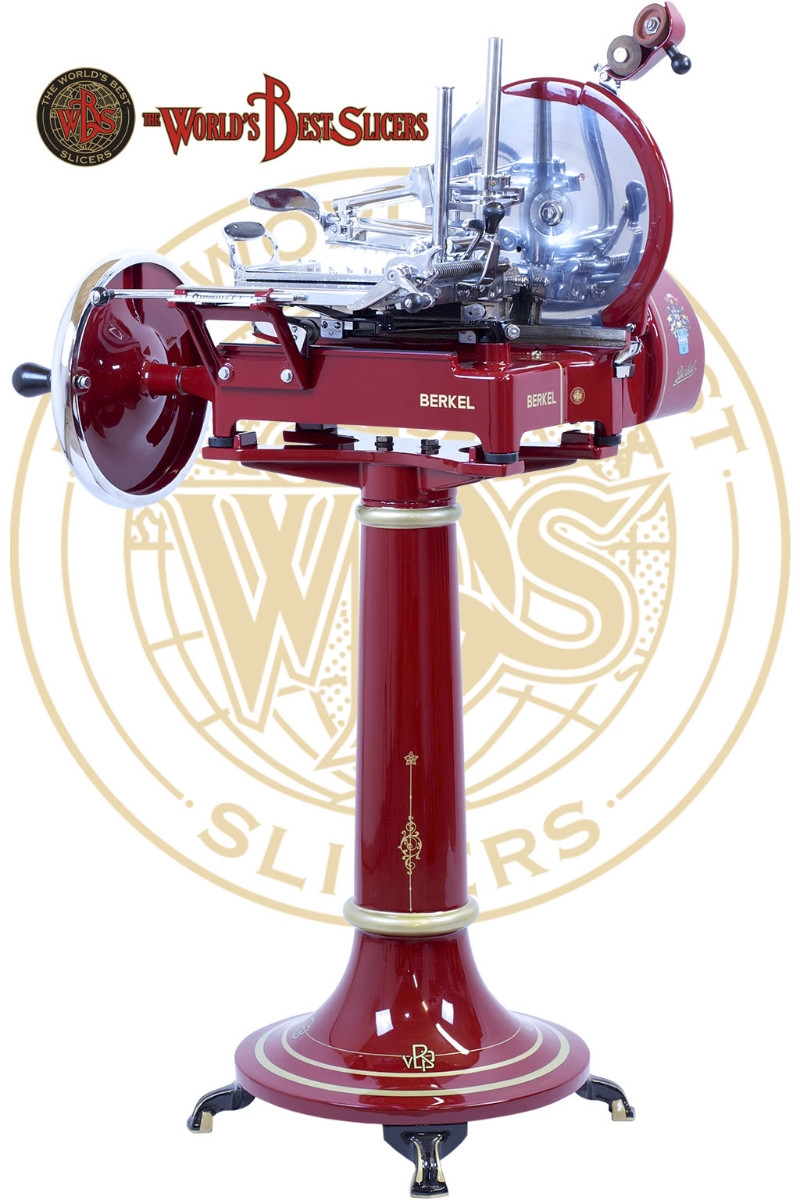
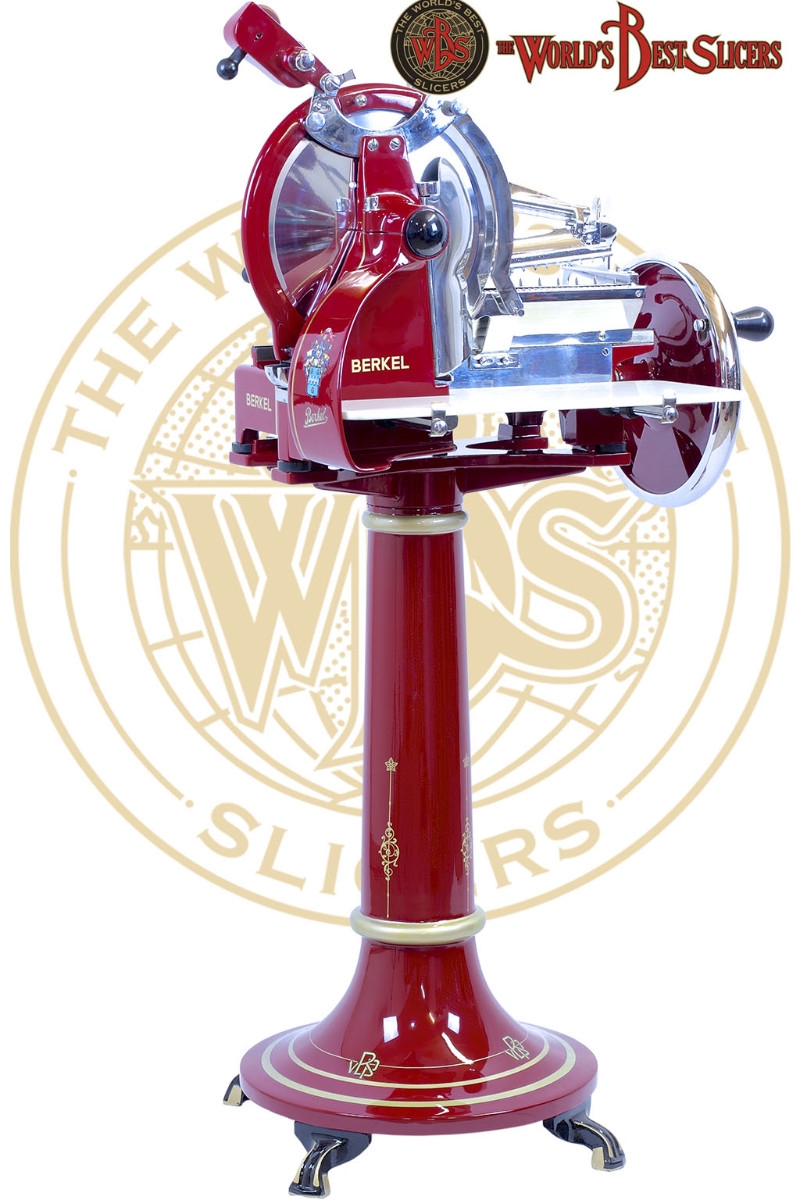
The Berkel Model NL flywheel slicer was manufactured between 1932 and 1936. Designed as a lightweight, mid-size manual slicing machine during the interwar era, the Model NL is distinguished by its innovative mechanical construction and refined aesthetic.
Berkel Europe Model NL Slicer: History, Specs & Restoration
The Berkel Model NL flywheel slicer was manufactured between 1932 and 1936. Designed as a lightweight, mid-size manual slicing machine during the interwar era, the Model NL is distinguished by its innovative mechanical construction and refined aesthetic.
Technical Features & Engineering Innovations
-
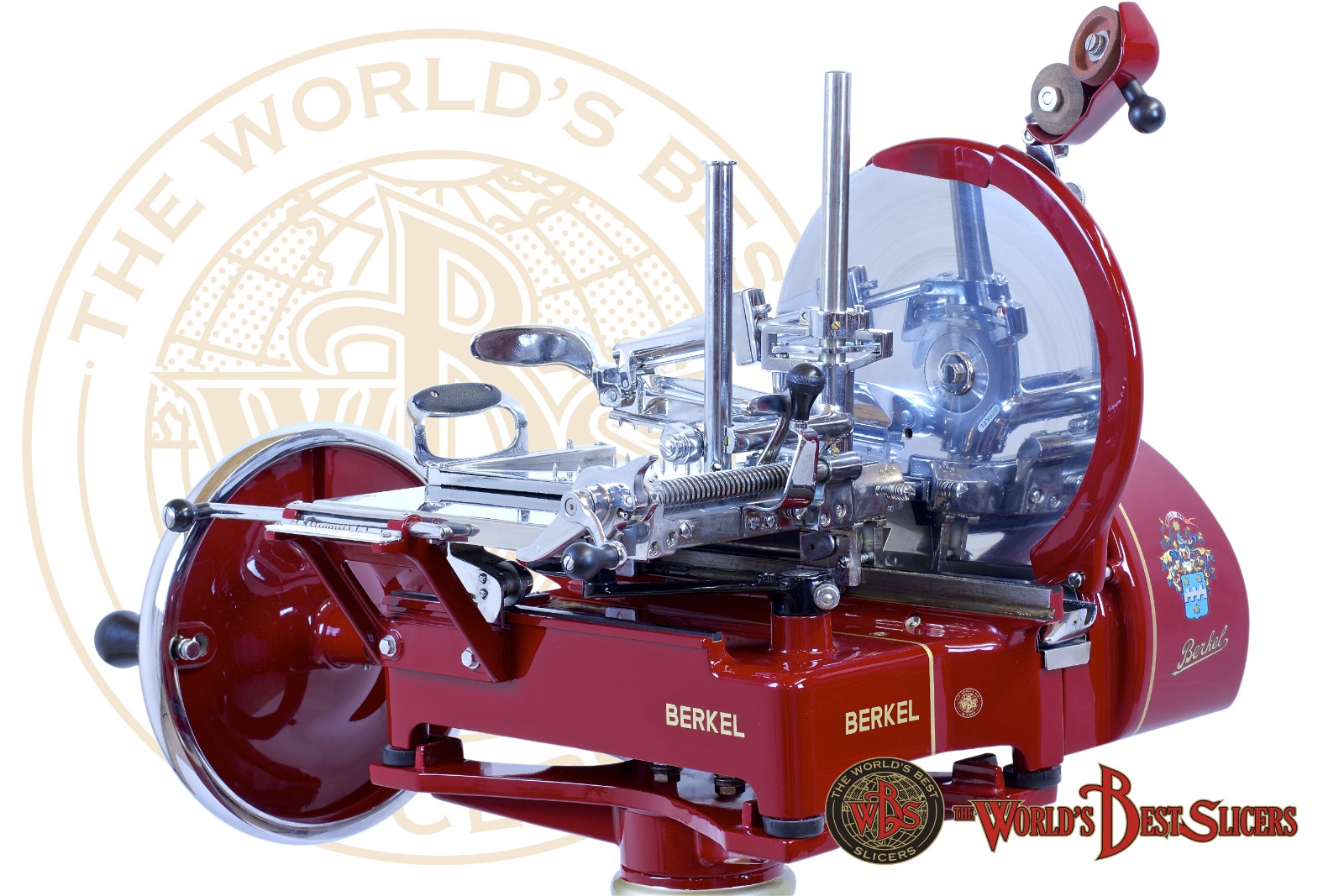
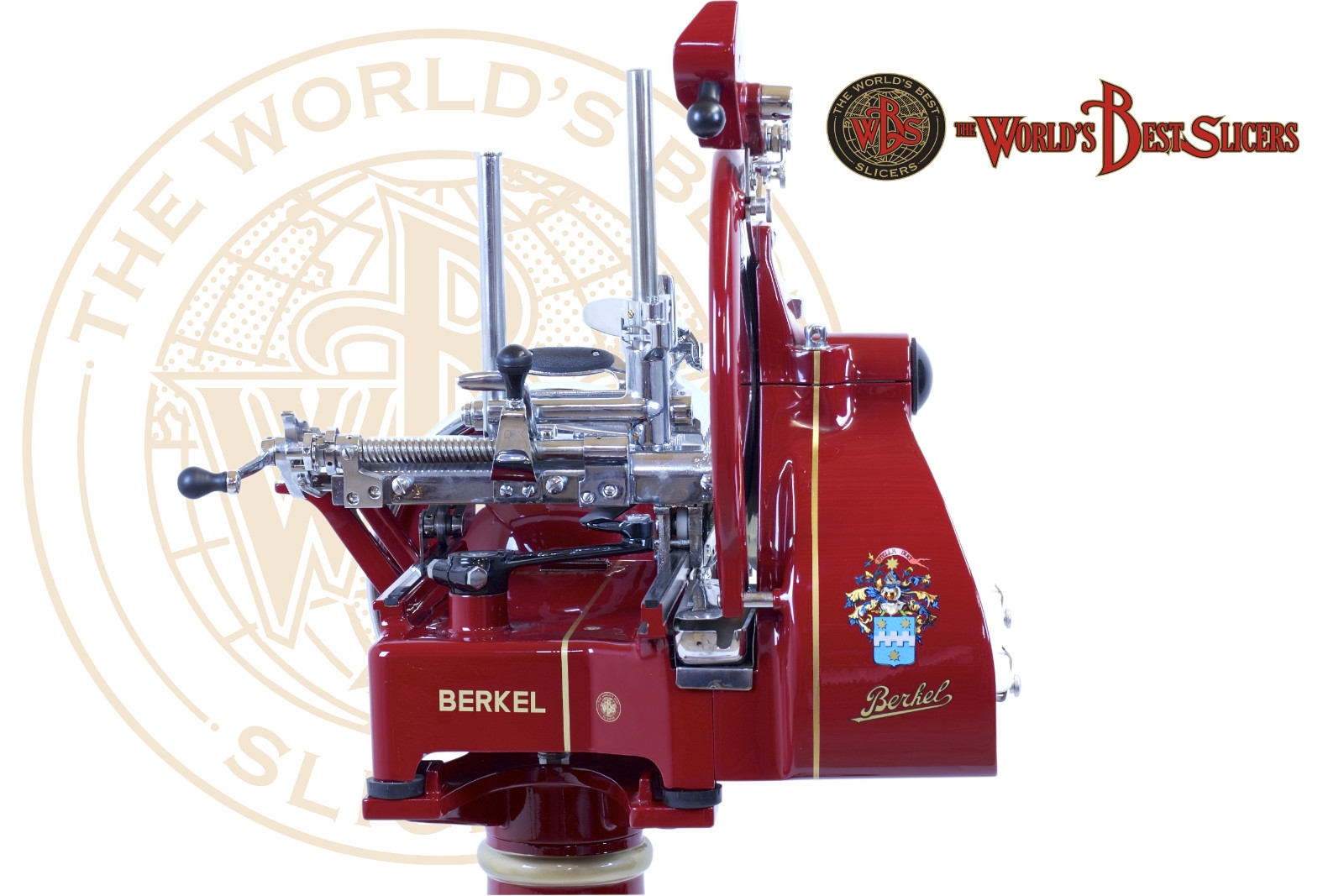
Bakelite & Wheel Guide System: Features an advanced carriage mechanism where the runner slides on the left side via metallic wheels rolling on a durable black bakelite guide, which is cast directly into the machine's main body structure.
-
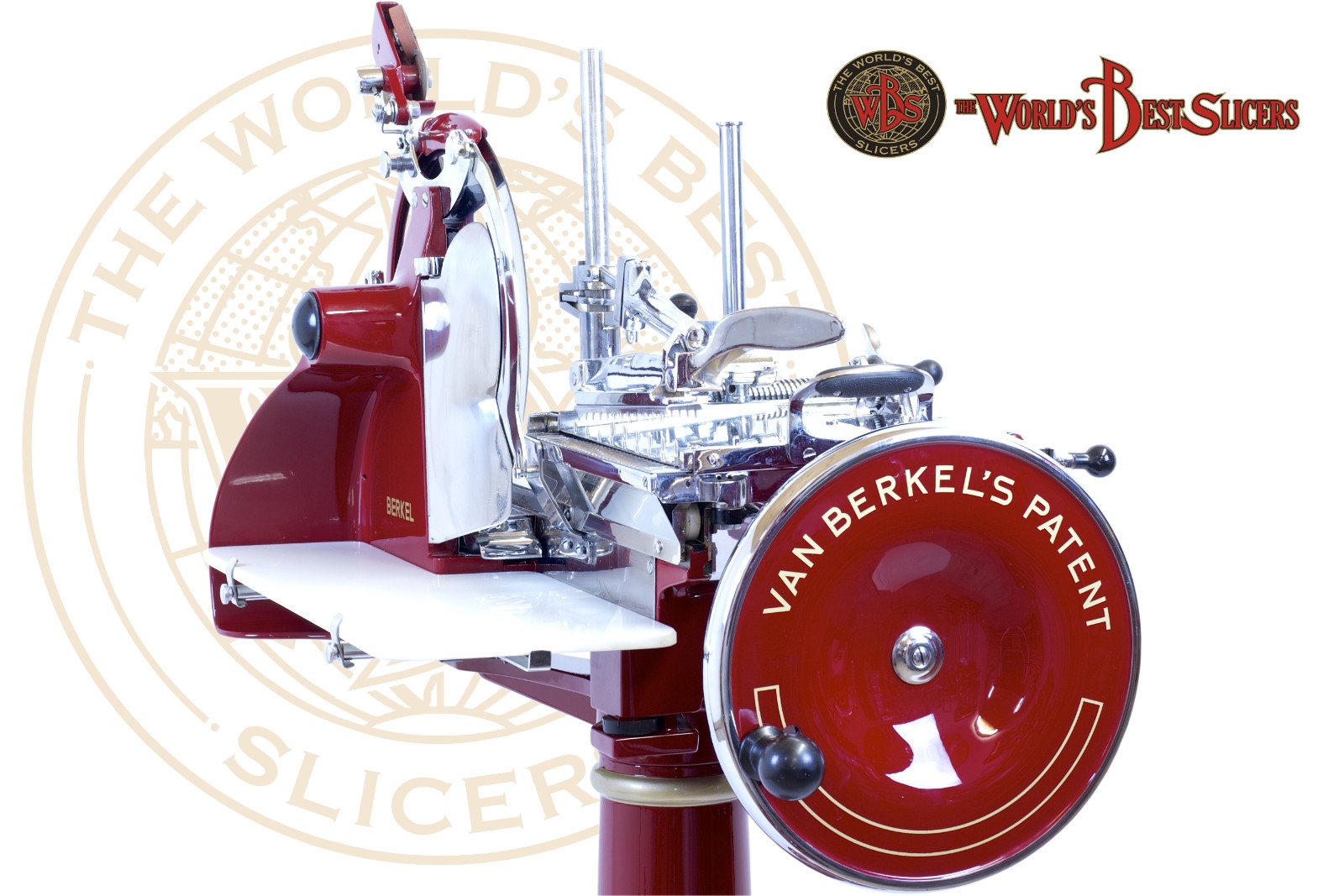
Closed Flywheel: Operates via a 300 mm external diameter closed flywheel, featuring the official internal decal "Van Berkel’s Patent Rotterdam Holland".
-
Blade & Cutting Precision: Fitted with a 319 mm blade paired with a 15-position slice thickness adjustment regulator.
-
Original Paint & Plating: Originally finished in iconic Berkel Red, complemented by traditional chrome-plated metal components.
-
Lightweight Structure: Weighs only 45 kg, making it one of the most versatile and manageable flywheel slicers engineered by Berkel.
Technical Specifications & Dimensions
-
Production Period: 1932 – 1936
-
Blade Diameter: 319 mm
-
Flywheel Diameter: 300 mm (Closed type)
-
Carriage System: Integrated body guide with metal wheels on black bakelite
-
Slice Adjustment Regulator: 15 positions
-
Metal Plating: Traditional Chrome Plating
-
Net Weight: 45 kg
Dimensions & Footprint
-
Overall Dimensions: 685 mm (L) x 570 mm (W) x 590 mm (H)
-
Base Footprint Required: 230 mm (Front) x 230 mm (Rear) x 430 mm (Length)
The Berkel Model NL Pedestal
Originally sold for countertop placement, the original Berkel pedestal was offered as an optional accessory. Pairing the Model NL with its authentic pedestal allows optimal placement anywhere in the room without taking up valuable counter space, facilitates effortless cleaning, and highlights its elegant silhouette as a standalone display piece.
Expert Restoration Process by "The World's Best Slicers"
Every Berkel Model NL restored in the laboratories of The World's Best Slicers undergoes an uncompromising, museum-grade conservation process:
1. Mechanical Conservation & Recovery
-
Conservation First: Worn or damaged mechanical components are painstakingly repaired and recovered rather than discarded or replaced whenever possible.
-
Precision Machining: Parts undergo material deposition welding followed by custom turning or milling to restore exact original factory dimensions and mechanical functionality.
-
Authentic Replacement Parts: Missing elements are replaced exclusively using original spare parts sourced from historical facilities or period donor machines.
2. Surface Preparation & Eco-Friendly Painting
-
Cryo-Stripping: Non-abrasive cryogenic paint removal strips away legacy coatings while protecting the structural integrity of the underlying cast iron.
-
Eco-Compliant Paints: Repainted using non-toxic, eco-compliant modern coatings precisely color-matched to historical Berkel Red shade formulas.
3. Traditional Decals & Pedestals
-
Authentic Copal Decals: Artwork and branding are applied strictly using traditional copal paint decals matching period color tones. We never use vinyl stickers, airbrushing, or unauthorized fantasy artwork.
-
Authentic Pedestals: Supplied strictly with original period pedestals, avoiding non-historical reproductions.
Authenticity & Guarantee
Every restored Berkel Model NL is delivered complete with an Official Certificate of Originality and Guarantee, certifying its historical accuracy, mechanical precision, and long-term value.