


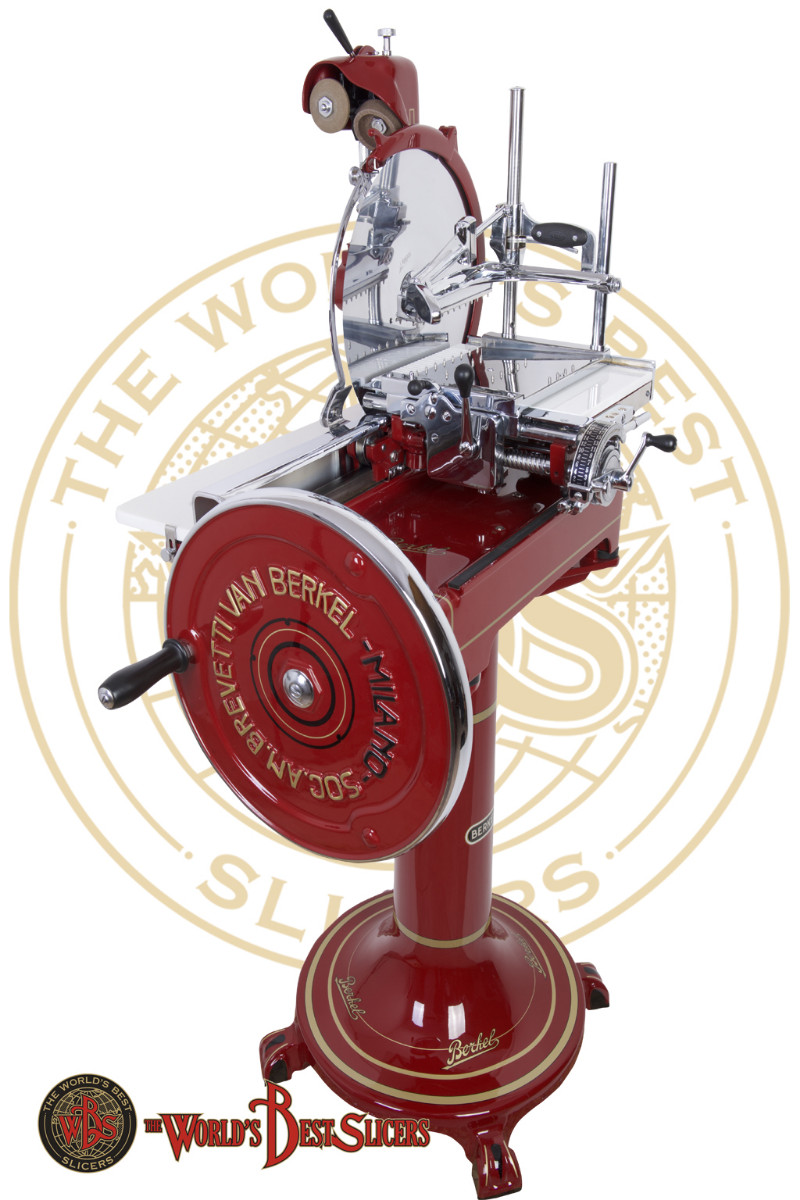
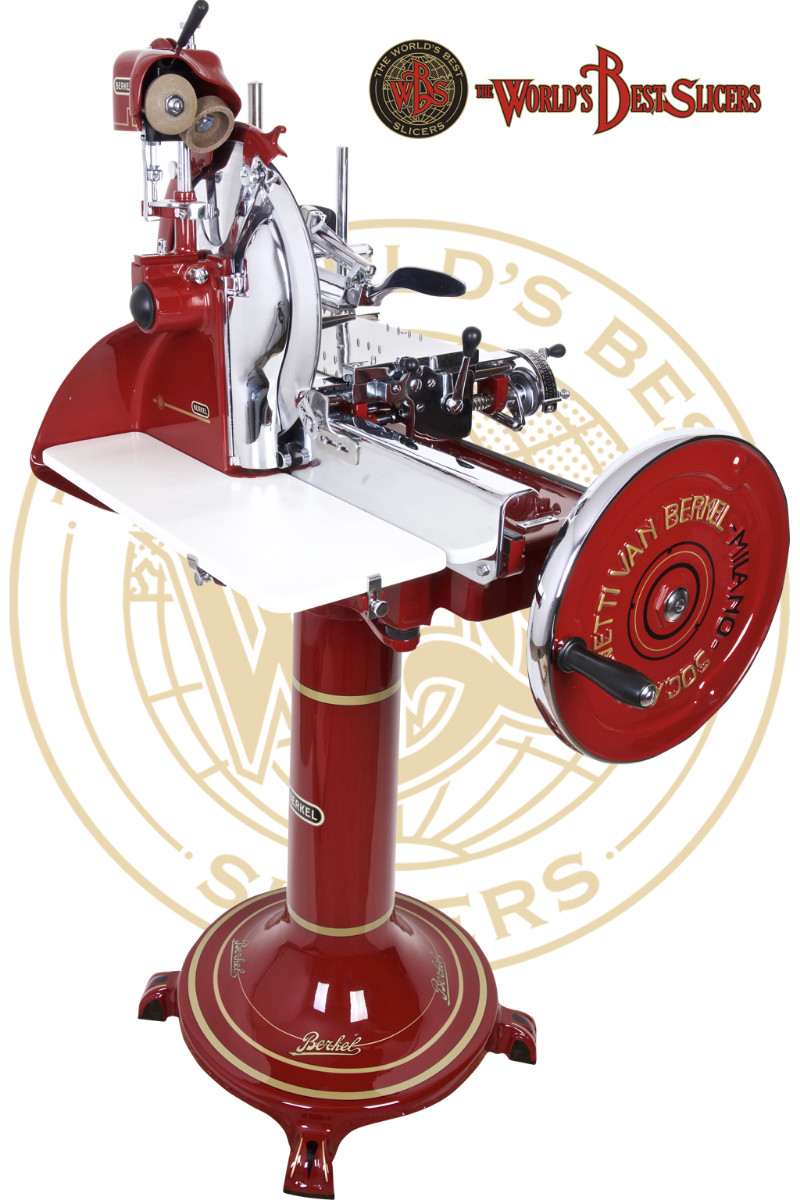
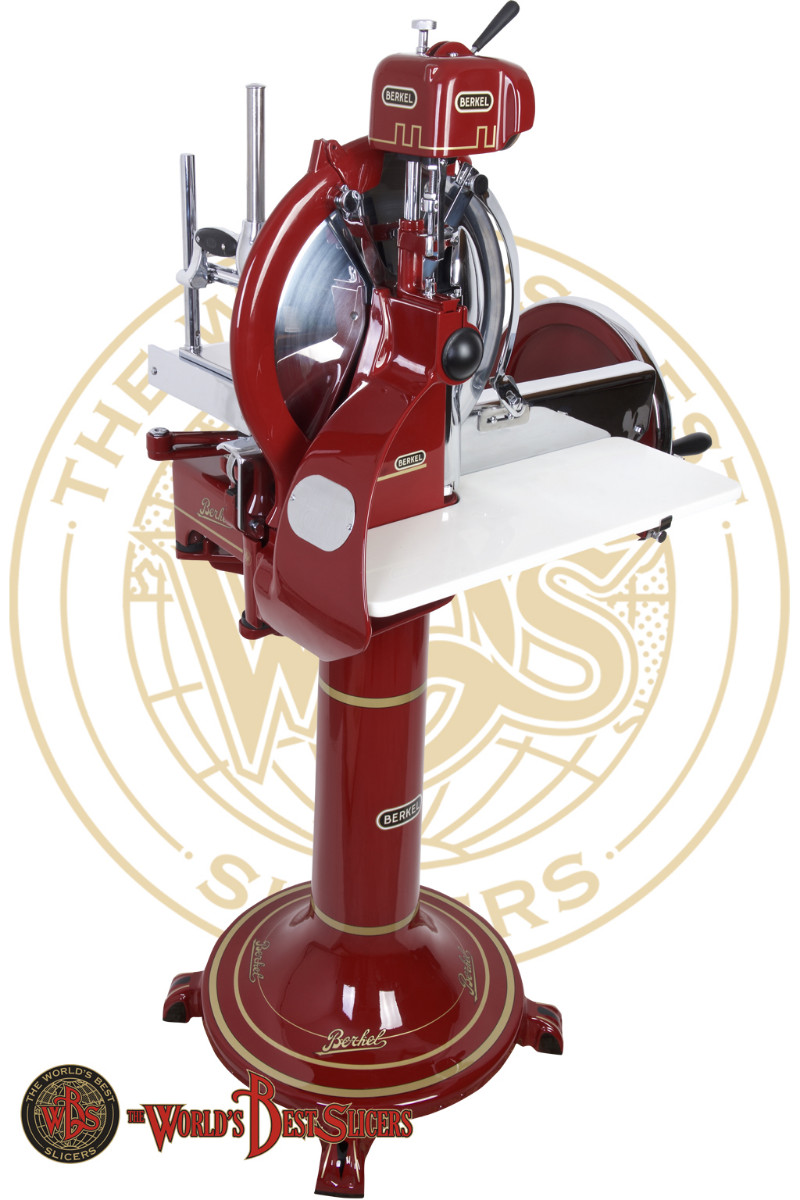

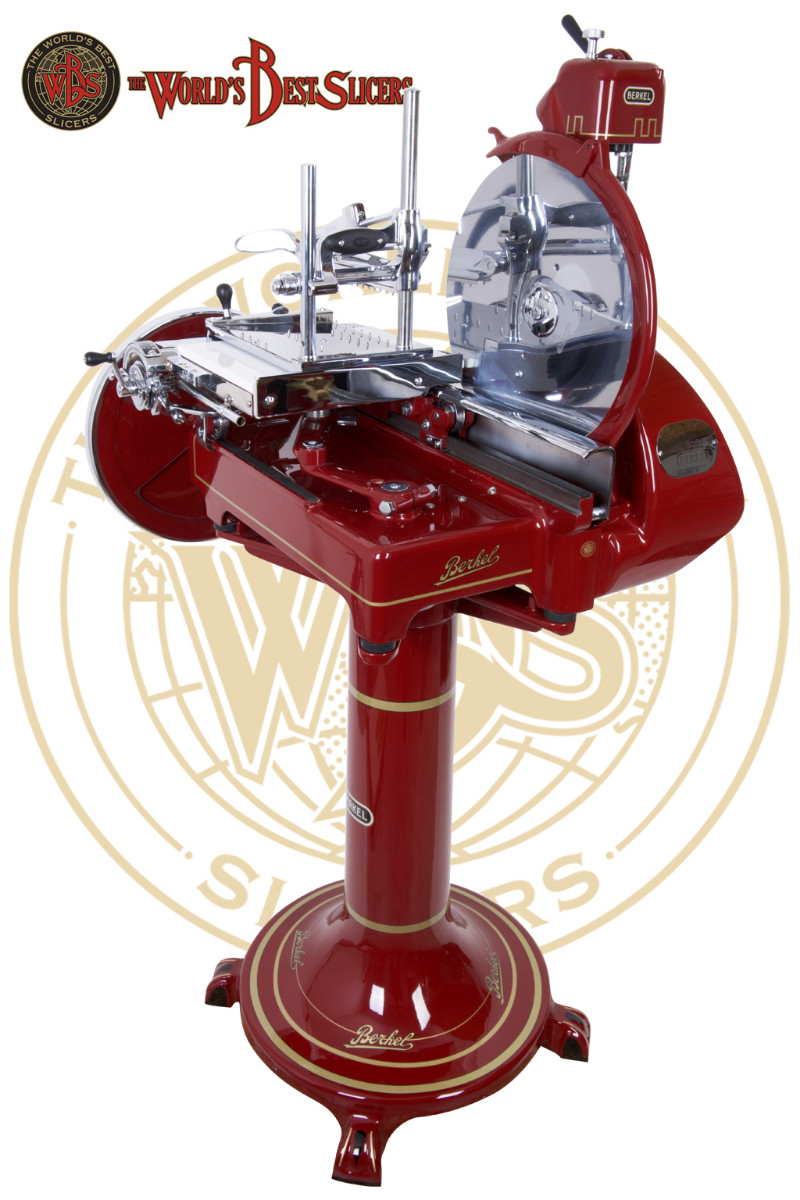
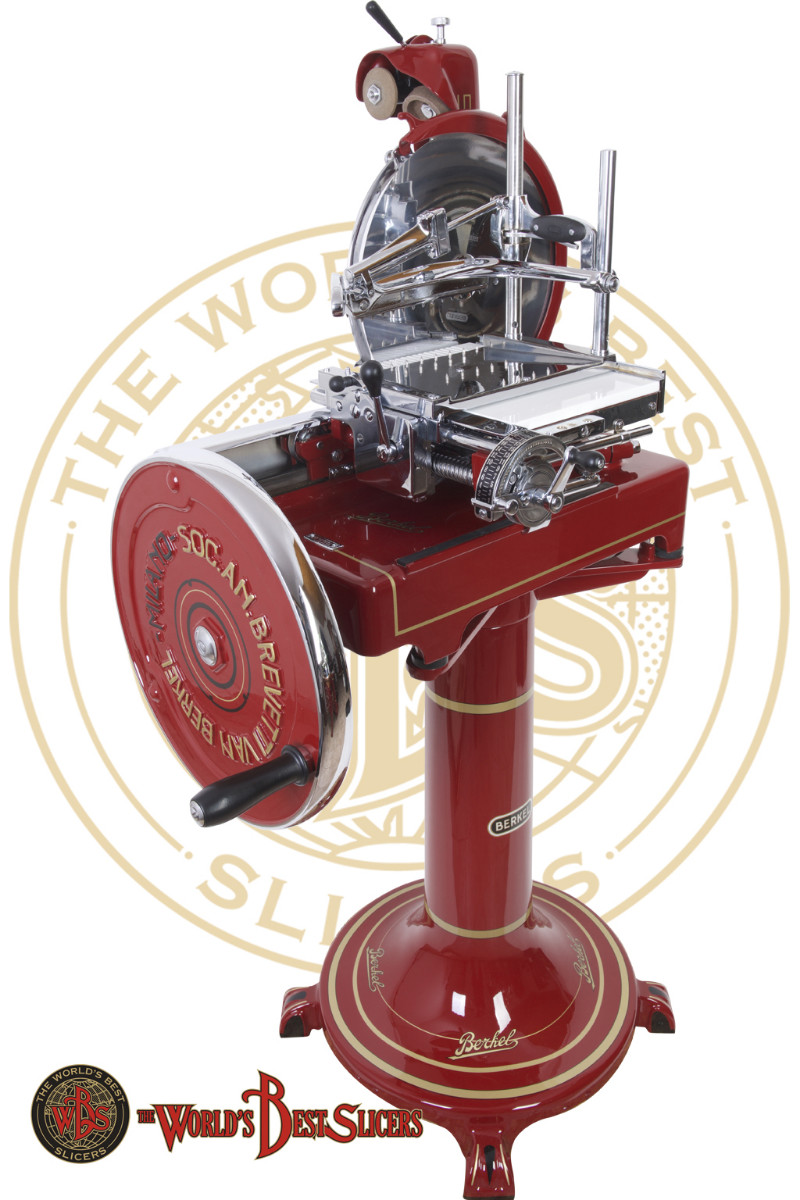
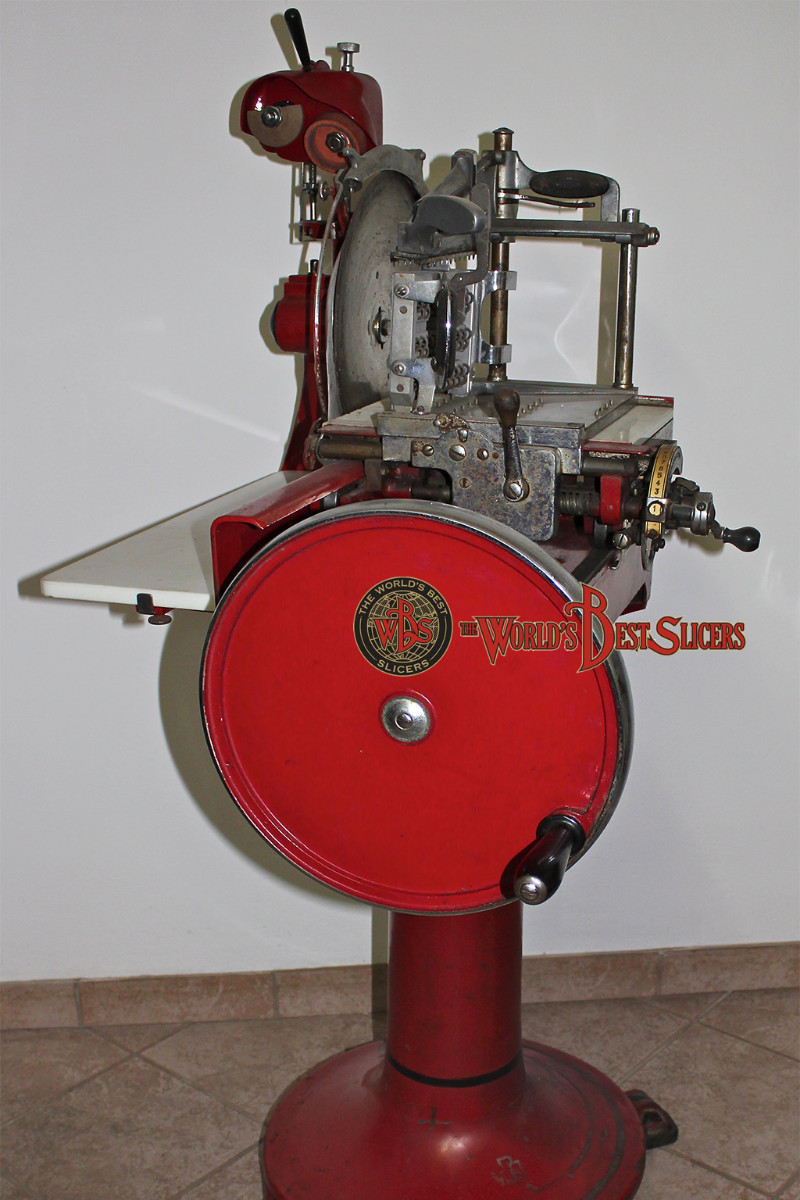


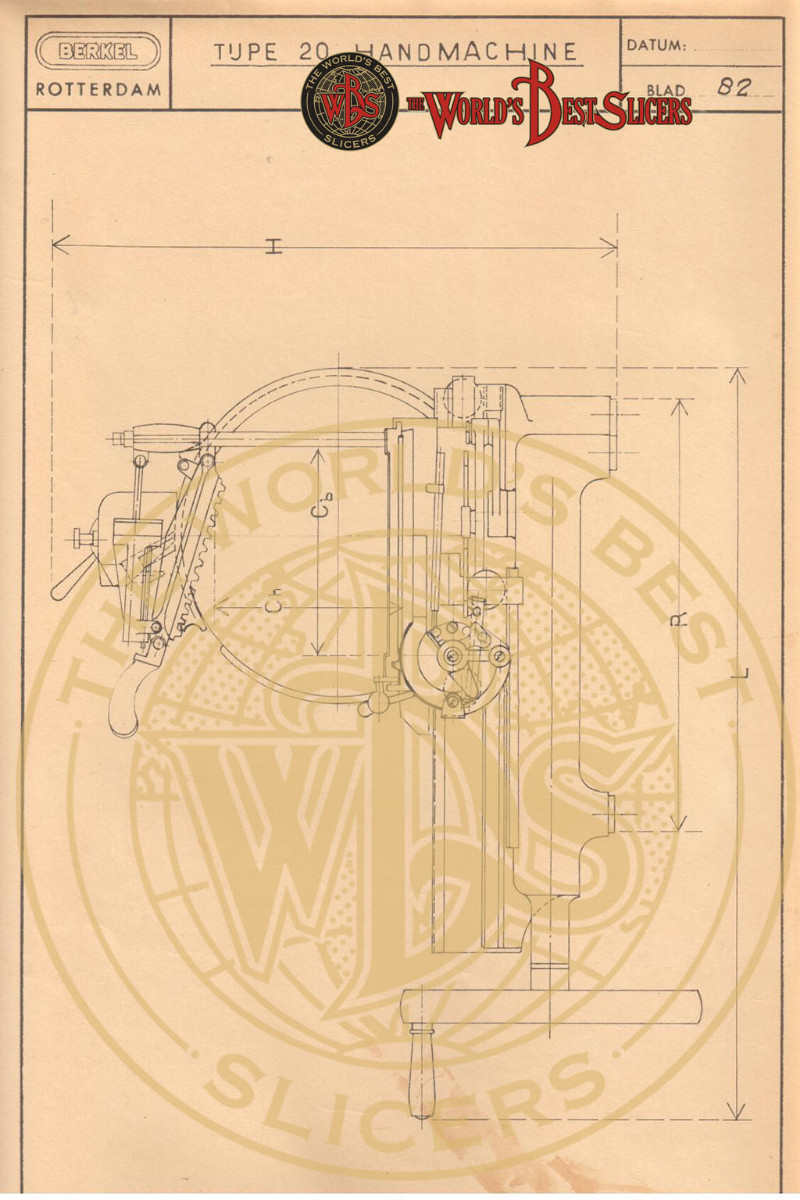
Berkel Europe Model 20
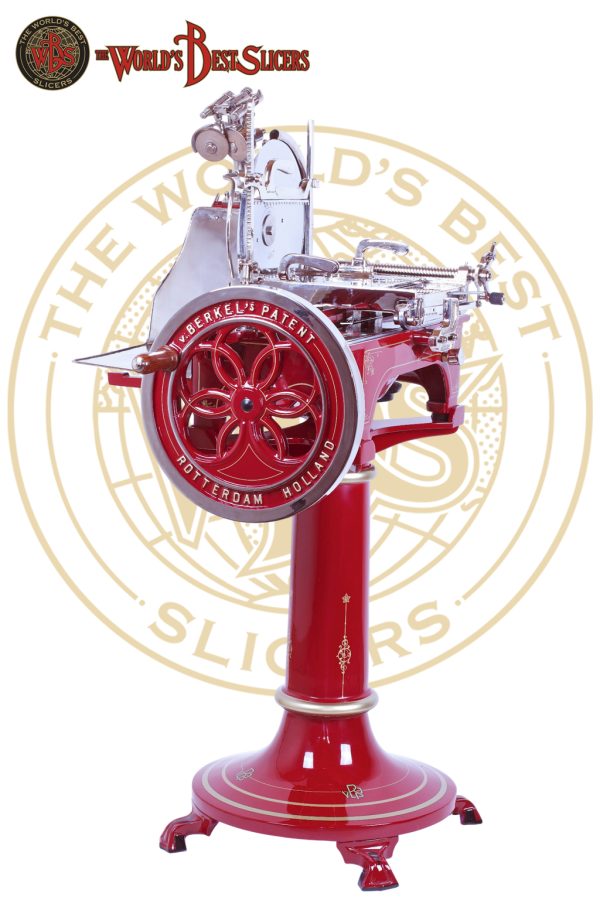
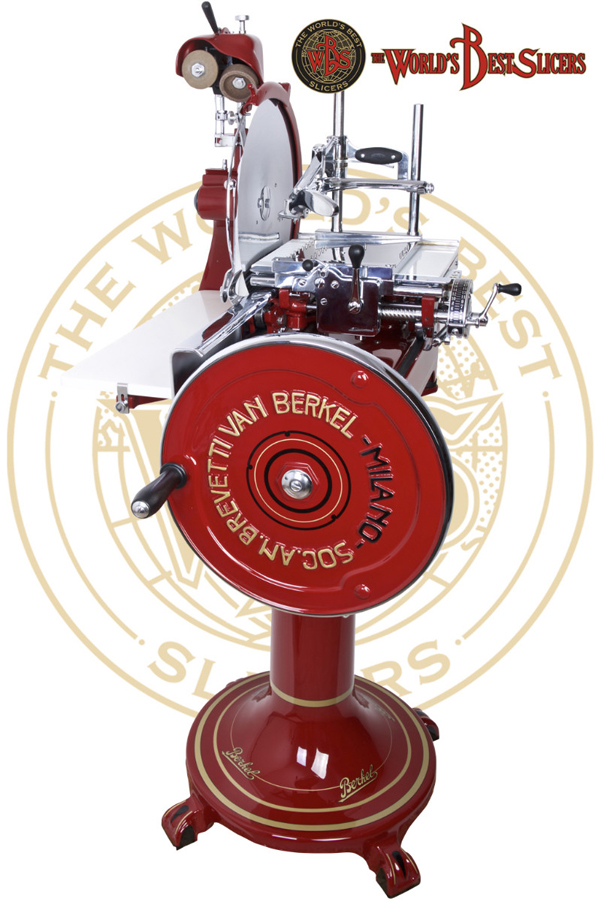
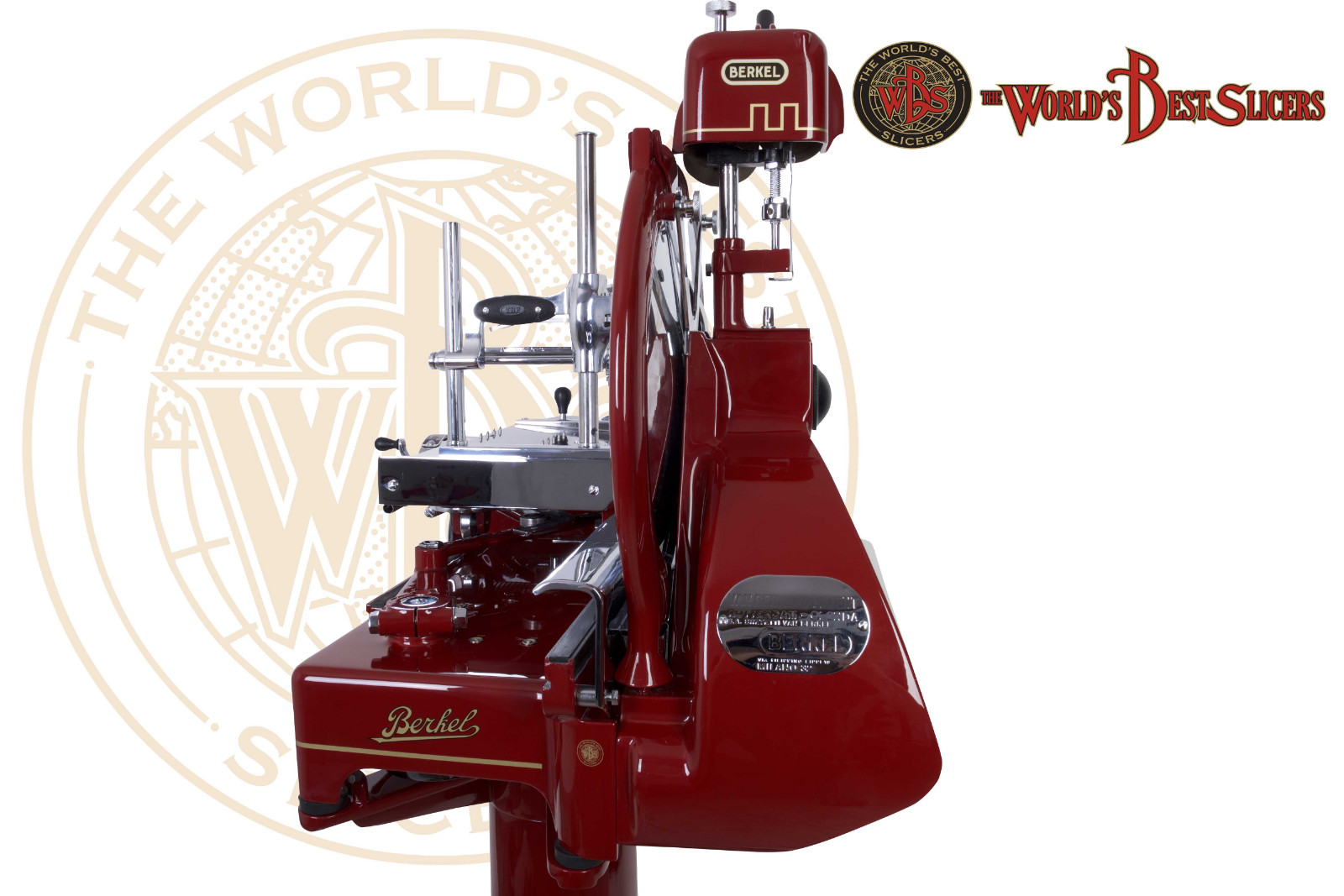
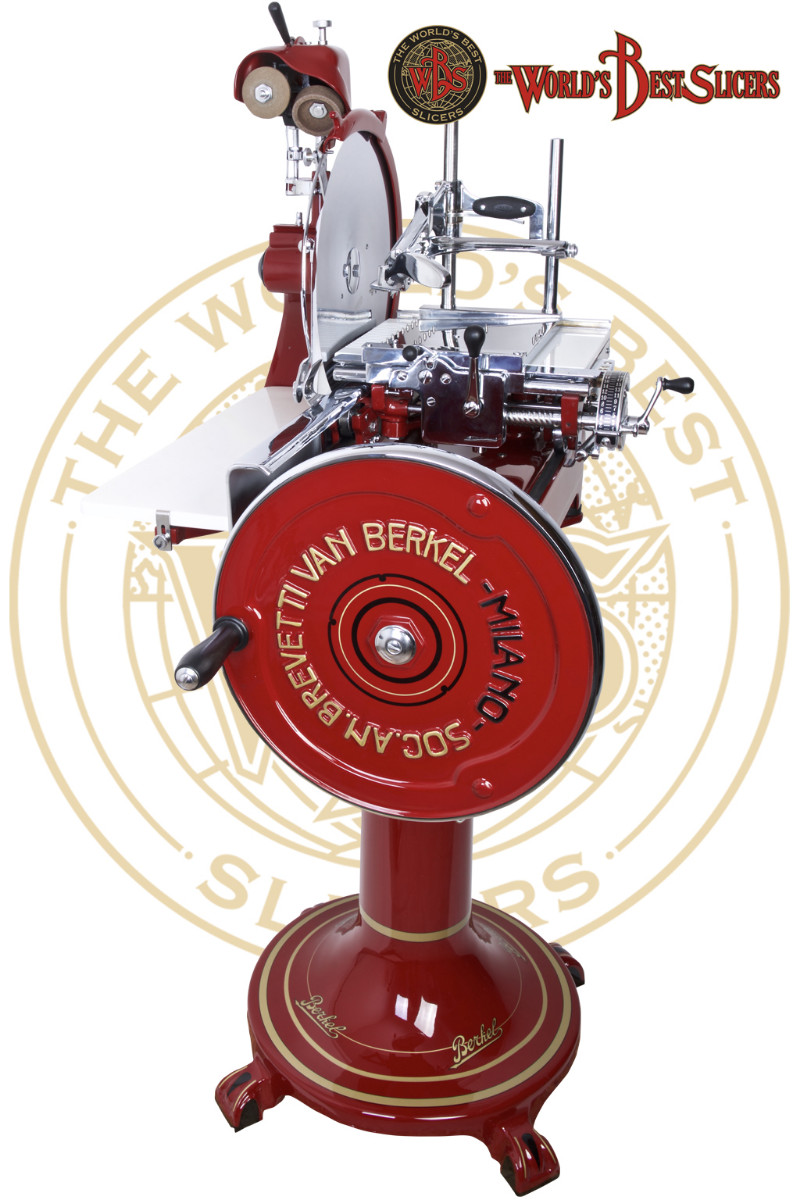
Manufactured at the Van Berkel’s Patent factory in Rotterdam, Holland, between 1928 and 1936, the Berkel Model 20 stands as a magnificent example of precision mechanical engineering. Closely related to its American counterparts produced at the La Porte plant in Indiana—the U.S. Berkel Model C and the subsequent U.S. Berkel Model 11—the Model 20 is renowned for its advanced carriage movement and exceptional slicing accuracy.
Vintage Berkel Model 20: Engineering Excellence in Flywheel Slicers (1928–1936)
Manufactured at the Van Berkel's Patent factory in Rotterdam, Holland, between 1928 and 1936, the Berkel Model 20 stands as a magnificent example of precision mechanical engineering. Closely related to its American counterparts produced at the La Porte plant in Indiana—the U.S. Berkel Model C and the subsequent U.S. Berkel Model 11—the Model 20 is renowned for its advanced carriage movement and exceptional slicing accuracy.
Mechanical Innovations & Key Features
-
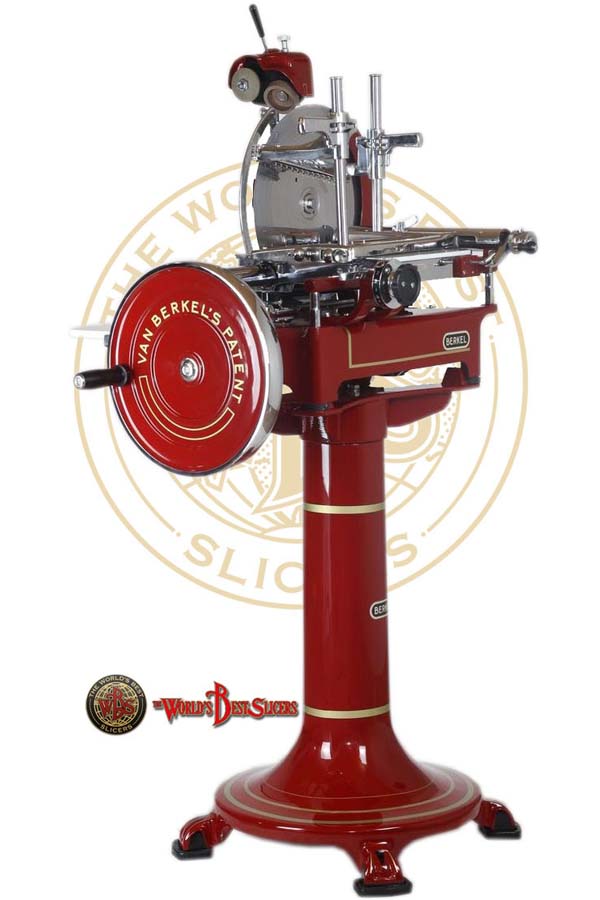
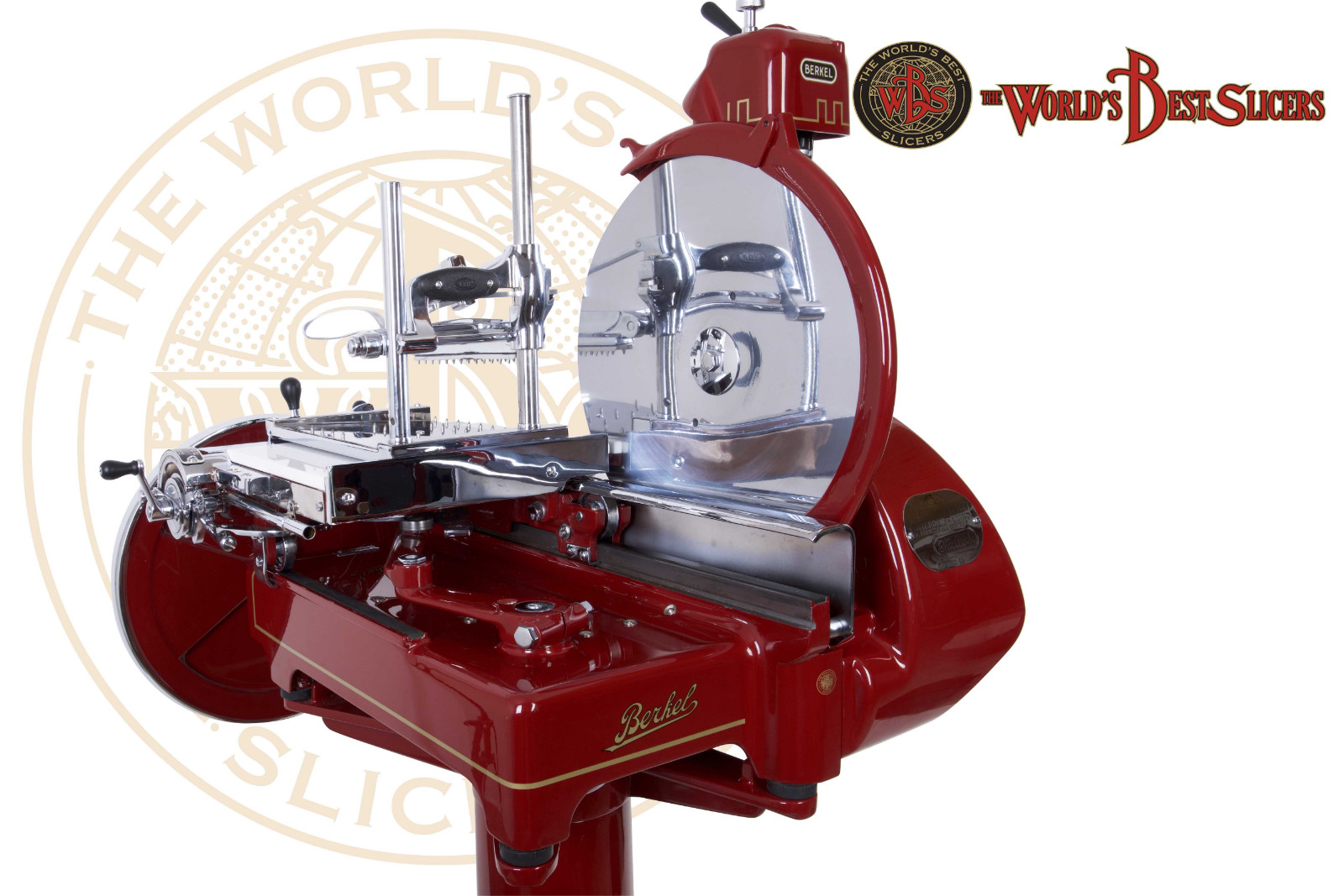
Double Connecting Rod & Carriage Synchronism: The machine features an intricate double connecting rod mechanism beneath the carriage. The main movement rod is synchronized with a second cam connecting rod, driving the balance system and pawl gear for smooth, exact carriage travel.
-
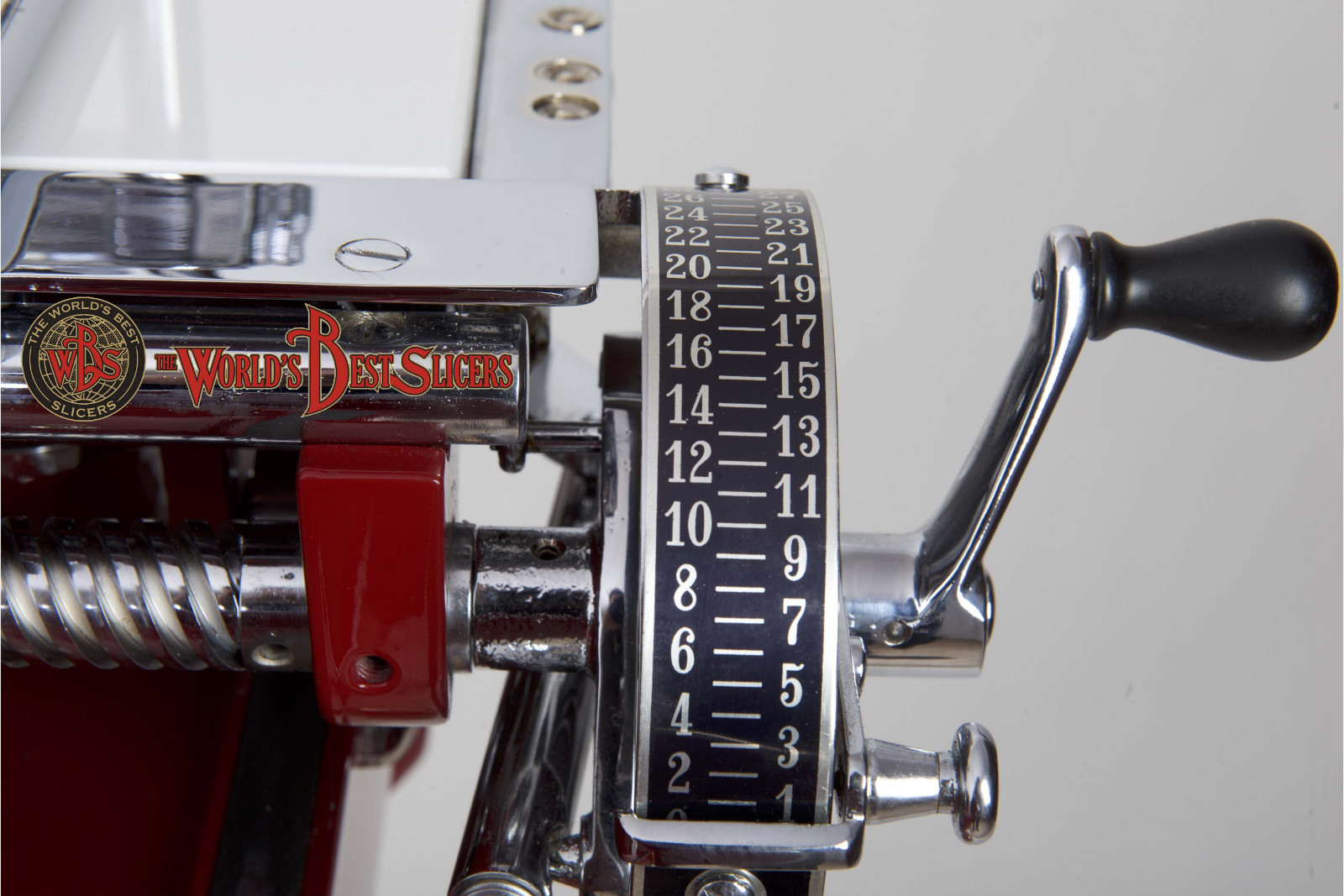
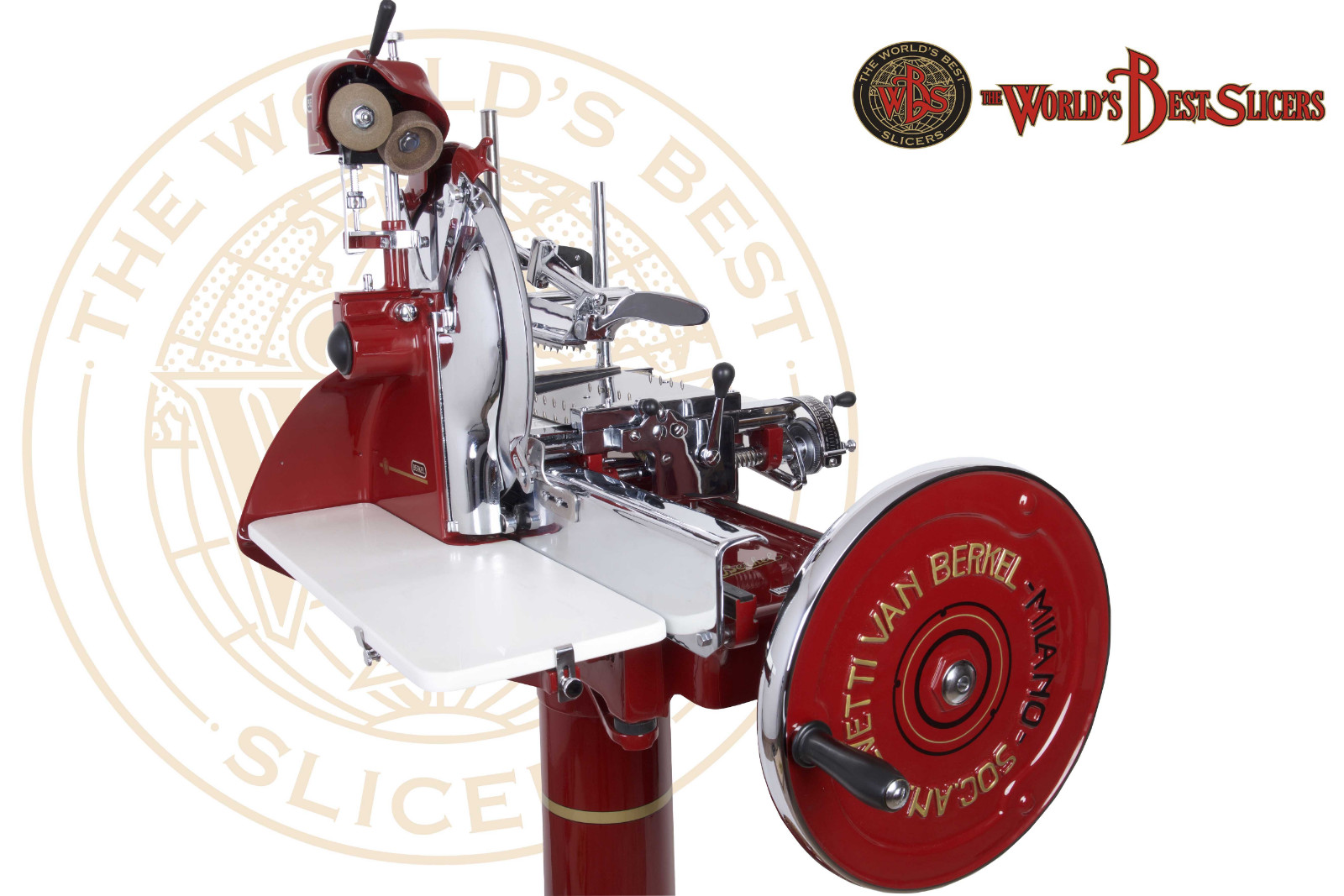
Worm Screw & Dual Transport Movement: The worm screw is positioned under the front carriage near the flywheel. Product tray movement can be controlled either via a right-hand lever on the worm screw for fine adjustment or a center-mounted lever for rapid repositioning.
-
Slice Thickness Range: Cutting synchronism is regulated at the top right of the carriage, offering 14 or 28 positions (depending on the version) to achieve razor-thin to generous cuts ranging from 0.27 mm to 3.7 mm.
-
Rail & Wheel Guidance: The carriage glides smoothly across the machine body using three precision metal wheels guided by a built-in base rail.
-
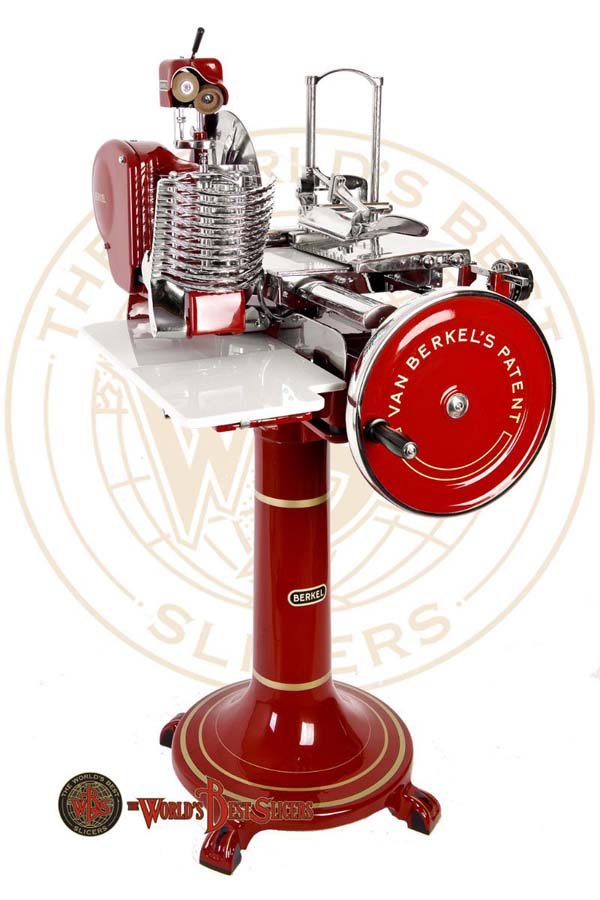
Blade & Opal Receiving Plate: Equipped with a 370 mm blade, a built-in waste collection drawer at the base, and a white opal glass tray fixed to the lower shoulder for receiving sliced products.
-
Shoulder Evolution: The integrated blade sharpener matches period-correct mechanics, while the shoulder design evolved over time: early versions share the profile of the U.S. Model C, while later variations closely resemble the U.S. Model 11.
Technical Specifications & Dimensions: Berkel Model 20
| Feature | Specification / Measurement |
| Blade Diameter | 370 mm |
| Cutting Capacity | 240 mm (Width) × 235 mm (Height) × 110 mm (Length) |
| Slice Thickness Range | 0.27 mm to 3.7 mm (14 or 28 positions) |
| Base Support Footprint | 500 mm × 280 mm |
| Total Machine Size | 660 mm (Height) × 880 mm (Length) × 650 mm (Width) |
| Net Weight | 98 kg |
| Receiving Plate Material | White Opal Glass |
| Pedestal Option | Original restored Berkel cast-iron pedestal available upon request |
Museum-Grade Restoration by The World's Best Slicers
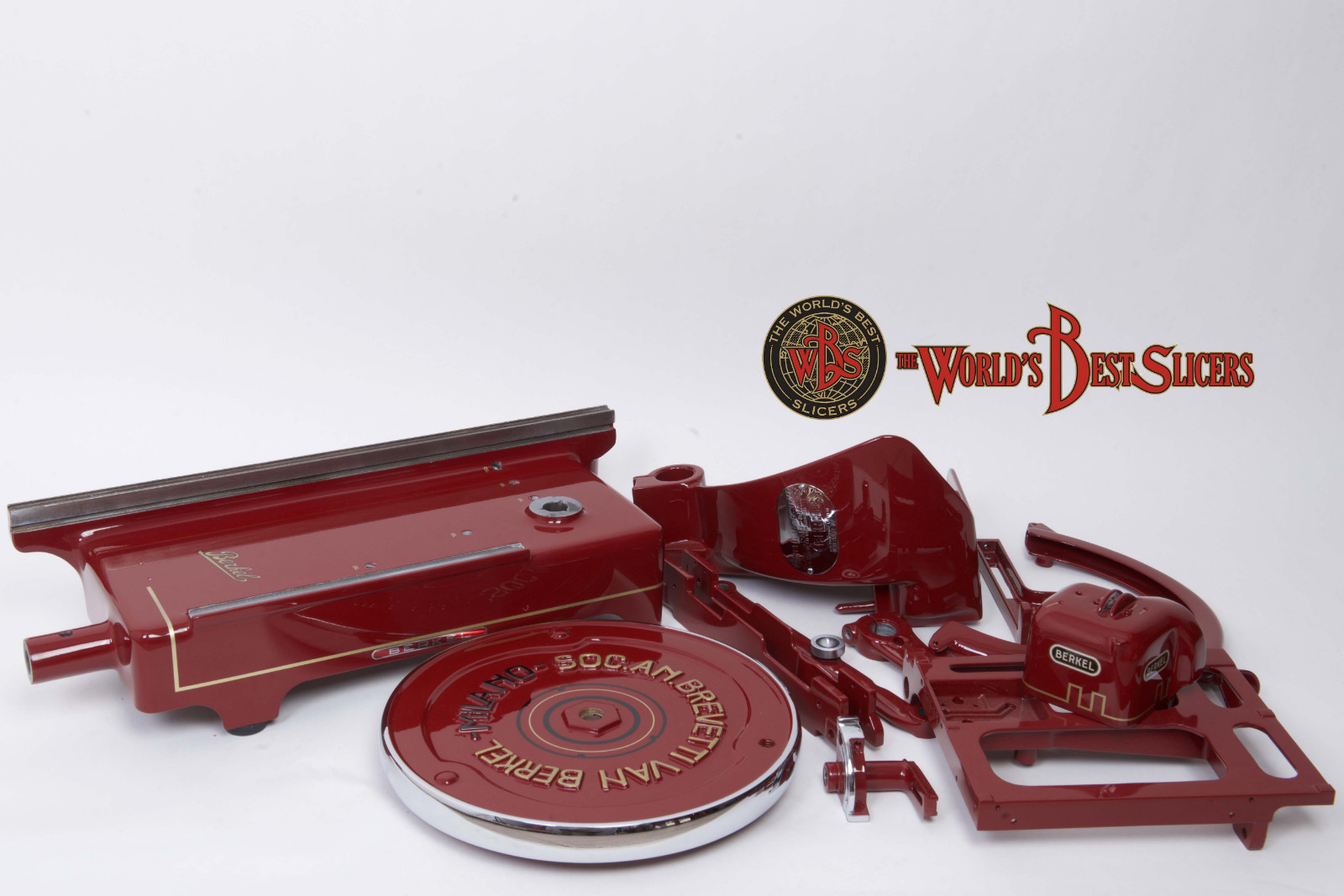
Restoration work carried out in The World's Best Slicers laboratories follows strict historical conservation standards:
-
Precision Machining & Conservation: Each unit is completely disassembled. Worn components are salvaged using material deposition welding followed by custom milling and turning to return parts to original factory dimensions without unnecessary replacements.
-
Authentic Vintage Parts: Missing pieces are sourced exclusively from historic production stock or period-correct donor machines.
-
Eco-Friendly Surface Prep & Paint: Castings undergo cryo-stripping and surface preparation before receiving eco-friendly modern coatings reformulated to match historical color shades.
-
Authentic Copal Decals: Finishing artwork is strictly applied using period-correct copal paint decals—never vinyl stickers, airbrushing, or modern fantasy graphics.
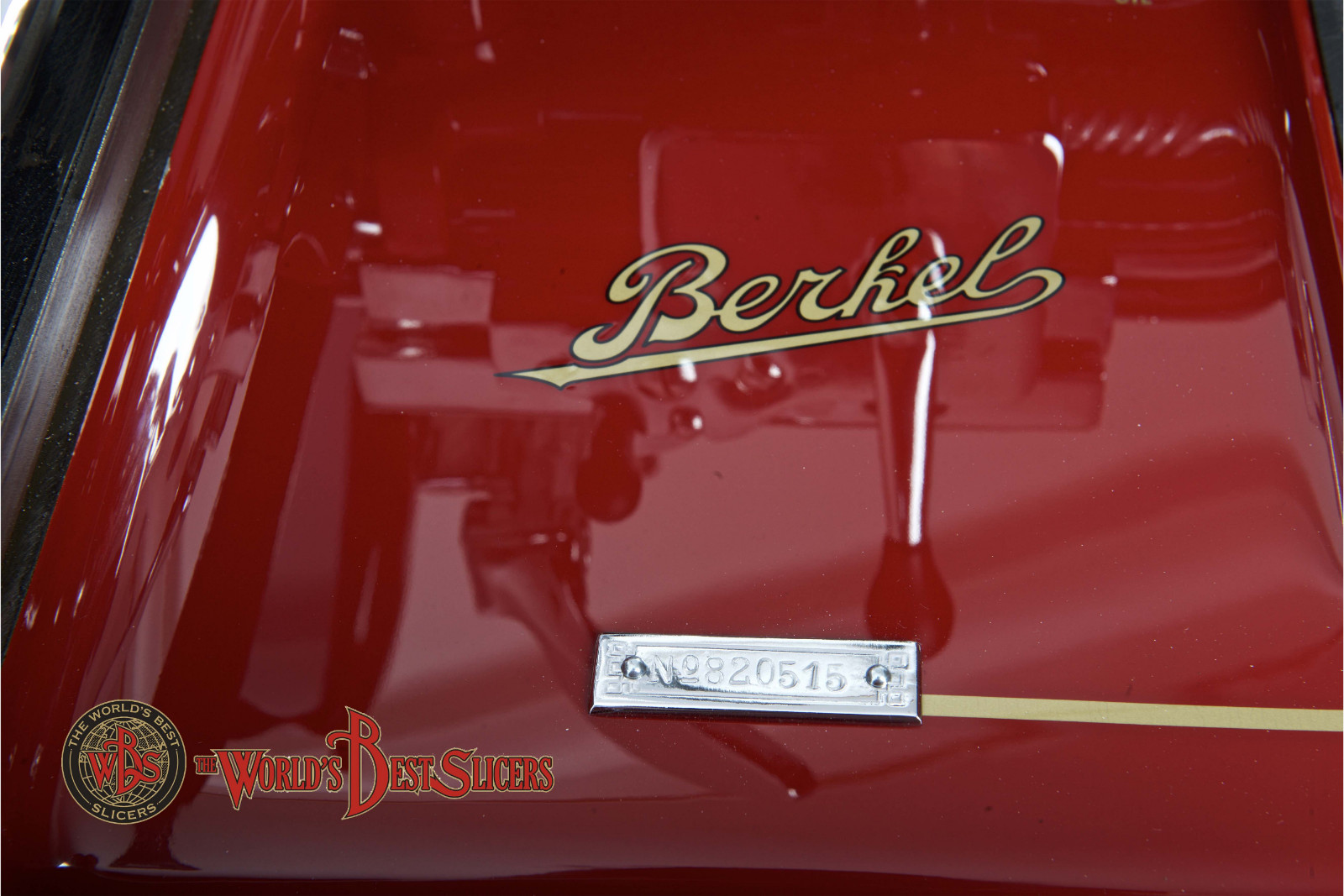
Certificate of Authenticity: Every restored Model 20 is delivered with an Official Certificate of Originality and Guarantee, ensuring complete provenance for high-end collectors.